Moving South from the Gate of Saint Barbara
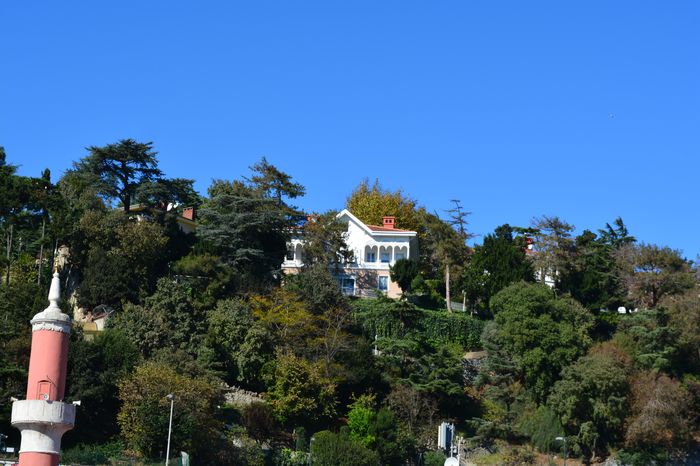
When we continue southward from the Gate of Saint Barbara, we come to another entrance in the sea walls known today as Değirmen Kapısı. The structure of this gate is clearly Byzantine in style, showing the same strong masonry and careful planning seen elsewhere along the Marmara walls. However, its original Greek name has been lost, and no ancient source preserves it.
Despite this loss, the gate remains an important landmark for understanding the layout and history of this part of the city The Influence of the Church of Saint George.
The Mangana Arsenal and Military Center
Between Değirmen Kapısı and the Gate of Saint Barbara once stood the Mangana, the great imperial arsenal of Constantinople. This complex was far more than a simple storehouse. It contained workshops for making and repairing weapons, large supplies of military equipment, and even a library of books on the art of war.
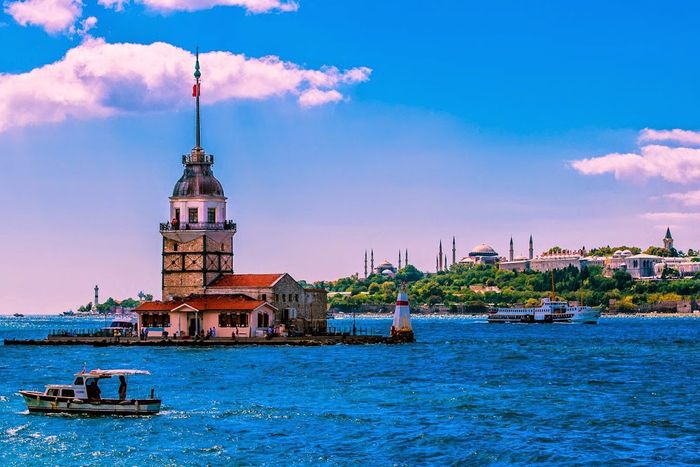
The location of the Mangana can be identified from the writings of Nicetas Choniates. He explains that the Mangana stood opposite a small rocky islet off the coast of Chrysopolis (modern Üsküdar). On this rock stands today the famous Kız Kulesi, also known as Leander’s Tower. This clear geographical reference allows historians to place the Mangana with confidence.
Towers and the Chain Across the Bosporus
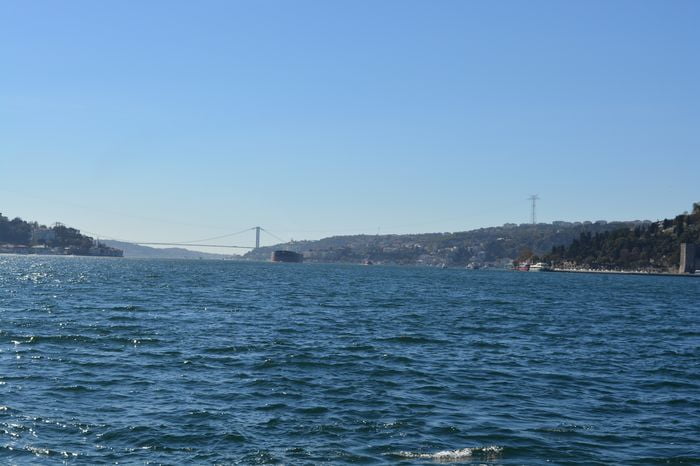
Nicetas Choniates also records that Emperor Manuel Comnenus attempted to protect the city from naval attacks coming from the south. To do this, he ordered the construction of two great towers, between which a massive chain could be stretched across the Bosporus.
One of these towers, known as Damalis or Arcla, stood on the rock near Chrysopolis. The other tower was built directly opposite, close to the Monastery of the Mangana. Together, these towers formed a powerful barrier that could block enemy ships from entering the straits Bulgaria Private Tours.
The Tower of the Mangana
The Tower of the Mangana was especially strong. Contemporary writers describe it as capable of withstanding a siege by the entire city. Its strength made it a key position in times of civil war.
During the conflict between Apokaukos and Cantacuzene, the tower played a major role. Apokaukos held it with great determination, knowing that control of this tower meant control of an important part of the city’s defenses.
The Kynegion Arena and Place of Punishment
Behind Değirmen Kapısı, there is a hollow in the land, now used as market gardens. This depression marks the site of the Kynegion, an amphitheater built by Emperor Septimius Severus when he restored Byzantium after its destruction.
The Kynegion was used for animal combats, where wild beasts were made to fight for public entertainment. Such spectacles continued into the reign of Justinian the Great, who held games there to celebrate his consulship.
From Entertainment to Execution
In later times, the Kynegion took on a darker role. It became a place of execution for important political prisoners. One of the most dramatic events occurred when Justinian II regained the throne. After parading his enemies Leontius and Apsimarus in chains through the Hippodrome, he had them executed at the Kynegion. Before their deaths, he publicly humiliated them by placing his feet on their necks while watching the games.
The area around Değirmen Kapısı reveals many layers of Constantinople’s history. From military arsenals and mighty towers to arenas of entertainment and execution, this part of the city reflects both the power and the cruelty of imperial rule. Though much has disappeared, the written sources allow us to reconstruct the importance of this remarkable place.