Home Blog

The Prince Hosts a Supper for the Prisoners
On the night of the Battle of Poitiers, the Prince of Wales held a supper at his lodging for the French king and most...

Sir James Audley Calls His Friends
After Sir James Audley was brought safely to his lodging, he wanted to share the good news of his reward with his closest family...

Lord Audley Returns to His Lodging
After meeting with the Prince of Wales, Lord Audley, still weak and tired from his injuries, took his leave. His servants carefully carried him...
Chivalry and the Rise of Military Aristocracy
Over time, chivalry changed from an institution meant to protect the weak into a system that often oppressed ordinary people. Initially designed to defend...
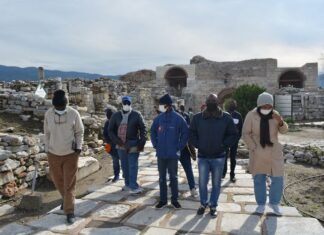
The Dark Side of Chivalry
While chivalry is often remembered for its bright displays of armor, tournaments, and noble deeds, its darker aspects cannot be ignored. The reality of...
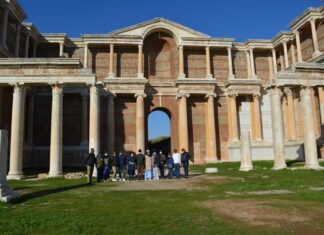
Chivalry and Religion
In many histories of chivalry, the role of knights as defenders of the Christian religion is praised as one of the institution’s greatest achievements....
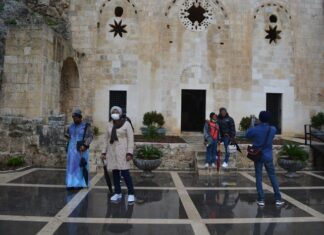
Hygiene and Epidemiological Care in Bulgaria
Levels of Organization
Bulgaria’s hygiene and epidemiological system is organized according to the administrative divisions of the country and follows a regional principle of medical...
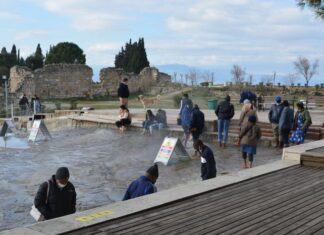
Organization of Care
In Bulgaria, hygiene and epidemiological care is planned, organized, and directed by the inspectorates of hygiene and epidemiology. These inspectorates ensure that public health...

Public Health System in Bulgaria
Participation of Society in Public Health
In Bulgaria, public health is based on the active participation of the population. People are encouraged to take part...

The Hebdomon as a Place of Rest and Transition
Several examples have already shown how the Hebdomon was used as a resting place before entering or leaving Constantinople. Earlier, we noted how Theodosius...