
Home Blog

The Bazaars of Stamboul A Truly Turkish Experience

0

One of the most fascinating places in Constantinople (now Istanbul) is the bazaars of Stamboul, the old city. These marketplaces are uniquely Turkish and full of life, color, and history. They cover entire city blocks and are divided into narrow streets or corridors, which are vaulted or roofed to protect visitors and shopkeepers from the weather.

The shops, also called booths, line both sides of the corridors. Each shop is very small—usually just a single room, about 15 by 20 feet, with no windows or doors. At night, the front is closed with heavy wooden shutters, secured with iron bars for safety The Guilds of Constantinople A Living Tradition.

Small Shops and Special Products

Inside these little shops, shelves are built along the walls to display goods. Most merchants keep only a small stock, mainly samples of what they sell. Each shop usually specializes in one type of item. For example, one merchant might sell only silk shawls, another only calico fabrics, and a third only fezzes (traditional Turkish hats).

Shops selling the same type of product are grouped together, so there are areas for textiles, jewelry, copperware, and more. The shopkeepers often sit cross-legged inside their booths, calmly waiting for customers to stop by. There are hundreds of these merchants in each bazaar, all renting their spaces from the government Private Tours Balkan.

The bazaars are managed by a superintendent, who is appointed by the Minister of the Interior. This official is responsible for keeping the area clean and orderly.

A Marketplace of Endless Variety

You can walk for hours through the bazaars without crossing the same path twice. There are miles of corridors filled with amazing treasures. Some of the items you might find include:

Diamonds and precious stones

Carvings in ebony and other rare woods

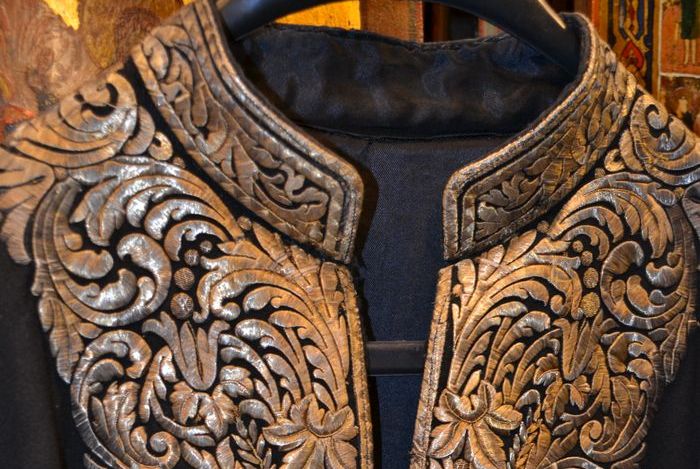
Embroidered jackets and slippers

Jeweled pipes and elegant necklaces

Persian and Indian shawls

Silks from Damascus

Table covers from Bokhara

Brass and copper items with engraved designs

Old and new porcelain, perfumes, furs, and leathers

Every corner is filled with color, scent, texture, and history.

Bargaining Is a Tradition

One important rule in the bazaars: never accept the first price. Bargaining, or haggling, is a part of the culture. The shopkeeper expects you to negotiate. In fact, he would be disappointed if you agreed to the first price, because it takes away his chance to show off his skills in negotiation.

Locals advise that you should never pay more than half of the first price. If the seller doesn’t agree to your offer, just walk away. Almost always, he will follow you, ready to accept your price to make the sale.

A Unique Shopping Experience

The bazaars of Stamboul are not just places to shop—they are part of the city’s history, culture, and daily life. Visiting them is like stepping back in time. Whether you’re buying silk, spices, or souvenirs, you’ll be part of a tradition that has continued for centuries.

The Guilds of Constantinople A Living Tradition

0

In Constantinople (now Istanbul), many tradesmen and craftsmen still belong to traditional guilds. These guilds were once common all over Europe but disappeared in most countries due to the rise of modern industries and commercial systems. However, in Constantinople, where business still works in more traditional ways, the guilds continue to play a very important role.

These guilds are well-organized and carefully managed. Although there used to be around 600 different guilds, that number has now been reduced to about 275 through mergers. These guilds are officially registered at the Ministry of the Interior and together represent around 200,000 members Bulgaria Tours.

How the Guilds Work

The guilds operate in a way that is similar to labor unions in the United States. In Constantinople, no skilled worker can get a job unless he is a member of a guild and carries a membership card. Workers are grouped based on their skills and experience, which helps ensure that pay and responsibilities match a worker’s abilities. This is different from many labor unions in other countries, where everyone might receive the same wage, regardless of skill.

Each guild has a president and a council that oversee activities. The guilds collect money from their members through fees and also earn income from properties they own. These funds are mostly used for charity, such as helping sick members, supporting widows and orphans, and providing financial aid when needed The Historic Khans of Constantinople.

The Richest and Most Popular Guilds

Among all the guilds, the butchers’ guild is said to be the wealthiest, owning properties worth millions of dollars. The bakers and carpenters have the largest number of members. The trades are often divided in very specific and sometimes amusing ways. For example, there is a guild just for people who make straw-seated stools, which split off from the guild for straw-seated chairs.

There are even separate guilds for barbers. One guild is for barbers who work in shops, and another is for traveling barbers who visit homes, businesses, or serve customers in coffee houses and public places. These traveling barbers are more common, as many men in Constantinople prefer to be shaved at home or while relaxing at a coffeehouse—much like shoeshiners going from place to place in modern cities.

The Patrons of the Guilds

Each guild has a patron figure, usually taken from the Bible or religious tradition. These symbolic patrons represent the spirit or history of each trade. Some interesting examples include:

Adam – Patron of the bakers

Eve – Patron of the women who work in Turkish baths

Abel – Patron of shepherds

Cain – Patron of grave-diggers

Enoch – Patron of inkstand-makers

Noah – Patron of shipbuilders (very fitting!)

Elijah – Patron of fur coat tailors

It is unclear how each figure came to be connected with a particular trade, but these traditions have lasted for generations.

Guilds as the Backbone of the City

Even though the world is changing fast, the guilds of Constantinople continue to be a major part of daily life. They provide structure, support, and community to thousands of workers, while also preserving cultural traditions that date back hundreds of years.

The Historic Khans of Constantinople

0

In old Constantinople (now Istanbul), there were around 180 khans — large, stone buildings designed to house traveling merchants. These structures are usually two stories tall, take up an entire city block, and are built around central courtyards, often decorated with trees and fountains. Many of these khans are very old. Some date back to the time of Emperor Constantine, and remarkably, they are still in use today The Bazaars of Stamboul A Truly Turkish Experience.

Lodging for Traveling Merchants

Khans were created to host merchants who traveled from faraway lands to sell their goods in the city. The Ottoman government supported this system by providing the merchants with free lodging and rooms to display their products, like a showroom or temporary office. These rooms allowed traders to both live and work in the same space for a certain period.

Each khan is managed by a steward. This person is the main authority within the building. He acts as a representative of the Sultan and the government, and he supervises everything inside the khan. The steward also oversees a team of workers who help keep the building running smoothly Private Bulgaria Tours Yachting.

Life Inside the Khan

A merchant from Persia, Russia, Turkestan, or any other region could go to a khan and ask for a room. If space was available, the steward would assign him one or more rooms for free. The merchant could stay there for a fixed time, and if no one else needed the space, he might even stay longer.

Most khans also had restaurants or kitchens where guests could eat. However, many merchants preferred to cook their own meals, and some even brought servants to help them during their stay.

Inside the khans, there was always a lot of activity. Merchants came and went, buyers browsed goods, and deals were made daily. Even though many of the buildings were dark, damp, and uncomfortable, they played a huge role in Constantinople’s trade and economy. They were like early versions of today’s business centers or trade hotels.

A Place for All

Merchants from all countries, religions, and social classes were welcome in the khans. Some traders returned to the same khan every time they visited the city, just like travelers today often stay in their favorite hotel. These long-standing relationships built trust between the traders and the khan’s managers, making each visit easier and more successful.

A Legacy of Commerce and Culture

The khans of Constantinople were more than just places to sleep—they were important centers of commerce, culture, and international exchange. They helped turn the city into one of the greatest trading hubs in the world, linking East and West through goods, stories, and shared traditions.

Identifying the Gate of Melantiados

0

There is good reason to believe that the gate known as Porta Melantiados (Πόρτα Μελαντιάδος) or Pyle Melandesia (Πύλη Μελανδεσίας) is the same as the well-known Gate of the Pege (Gate of the Spring). In the past, some scholars thought that the Porta Melantiados was the same as the next public gate, now called Yeni Mevlevihane Kapısı. However, that idea does not fit well with historical geography Gate of Selivria.

The Deuteron vs. Triton Districts

Historical sources clearly state that the Porta Melantiados was located in the district known as the Deuteron, which means “second.” On the other hand, the next public gate—Yeni Mevlevihane Kapısı—stood in the quarter called the Triton, named after the Third Military Gate. Since these two gates were in different parts of the city, they cannot be the same. That leaves only one strong possibility: Porta Melantiados must be the same as the Gate of the Pege.

The Gate’s Original Name

It is certain that the Gate of the Pege once had another name. The Holy Spring (Pege) only became famous during the reign of Emperor Leo I (ruled 457–474), which was almost 50 years after the Walls of Anthemius were built. Before that time, the gate must have had a different name—and Porta Melantiados would have been the most suitable.

Why the Name “Melantiados”?

The road leading from this gate went directly to Melantiada, a town located near Athyras (modern Büyükçekmece) on the way to Selivria (modern Silivri). Ancient Roman road maps, such as the Itinerary of Emperor Antoninus, refer to the town as Melantrada or Melanciada, about 19 Roman miles from Byzantium. This route was used by invading forces such as the Huns, Goths, and Avars, who often camped in Melantiada before attacking Constantinople Sofia City Tour.

A Site of Political Revenge

A dramatic event occurred at this gate in the year 450. Chrysaphius, the powerful and unpopular minister of Theodosius II, was murdered at the gate by the son of John the Vandal, who wanted revenge for his father’s execution. This incident made the gate a memorable place in Byzantine history.

Religious Sites Around the Gate

Some researchers believe that the Mosque of Hadim Ibrahim Pasha, which stands just inside the gate today, was built on the site of the Church of St. Anna, one of the important churches in the Deuteron district. However, others suggest it may be on the site of the Church of the SS. Notarii, which also stood close to the Porta Melantiados.

The evidence strongly supports that Porta Melantiados and the Gate of the Pege were the same gate. Its strategic location, connection to a major Roman road, and role in both political and religious history make it one of the most significant gates in the Theodosian Walls. Understanding its true identity helps us better grasp the layout and story of medieval Constantinople.

Gate of Selivria

0

The Gate of Selivria (Selivri Kapısı) and Its Historical Importance
The next major public gate in the Theodosian Walls is known today as Selivri Kapısı. It is located between the thirteenth and fourteenth towers, just north of the Gate of the Deuteron. This entrance holds a special place in the history of Constantinople Tours Sofia.

From “Selivri Gate” to “Gate of the Spring”

The name Selivri Kapısı appears shortly before the Turkish Conquest of Constantinople. The name means “Gate of Selivria” because it lies at the beginning of the road leading to the town of Selivria (modern-day Silivri).

However, before this name became common, the gate was better known as the Gate of the Pege (Greek: Πύλη τῆς Πηγῆς), meaning the Gate of the Spring. This older name referred to the famous Holy Spring of Balıklı, located about half a mile west of the gate. The name is confirmed by an inscription on the southern gate tower, which marks restoration works done in 1433 or 1438.

A Gate Close to the Holy Spring

This gate had great importance due to its close location to the Holy Spring (Pege). The spring was famous for its healing waters, shrines, and beautiful natural surroundings, including cypress trees and open meadows. It became one of the most beloved places near the city for rest and prayer.

Byzantine emperors had a palace and hunting grounds near the spring. They often spent time there, especially during the pleasant spring months. On Ascension Day, the emperor would visit the “Life-giving Spring” in a formal procession. Sometimes he would ride through the city, or take a boat to the edge of the walls by the Sea of Marmara and continue on horseback to the spring.

The emperor was usually welcomed at this gate by an elite guard unit called the Numeri. It was also after returning from a visit to the Pege that Emperor Nicephorus Phocas was attacked by an angry mob near the Forum of Constantine and the Great Palace.

A Gateway to Political Power

The gate is also remembered for key events in Byzantine military and political history. In 1261, the Byzantine general Alexios Strategopoulos entered the city through this gate and overthrew the Latin Empire, which had ruled Constantinople since 1204. The Latins had sealed the gate for protection, but a group of Byzantine attackers, helped by allies inside the city, climbed over the wall, killed the guards, broke the barrier, and opened the gates. This event restored Byzantine control under Emperor Michael VIII Palaiologos Gates in the Theodosian Walls.

In 1376, Andronikos IV Palaiologos also entered through this gate after a 32-day siege. He took the throne from his father, John V Palaiologos, in a dramatic act of betrayal.

The Gate During Ottoman Sieges

The gate continued to play a role during the final years of the Byzantine Empire. During the siege of 1422, Sultan Murad II set up his camp near the Church of the Holy Spring. Later, during the siege of 1453, a battery of three Ottoman cannons was placed near this gate and fired at the walls to break through the city’s defenses.

The Gate of the Pege, now known as Selivri Kapısı, was much more than just an entry point into the city. Its religious, cultural, and military significance made it one of the most important gates in the Theodosian Walls. It stood at the crossroads of faith, imperial tradition, and the struggles for power that shaped the fate of Constantinople.

Gates in the Theodosian Walls

0

The Second Military Gate

The Theodosian Walls of Constantinople were one of the greatest defense systems of the ancient world. These walls had several gates, both for military and public use. One important entrance was located between the thirteenth and fourteenth towers north of the Golden Gate. This was known as the Second Military Gate, or “tou Deuterou” (τοῦ Δευτέρου) in Greek Identifying the Gate of Melantiados.

Identifying the Second Military Gate

The exact identity of this gate is known because of its position along the line of the walls. Between it and the Fifth Military Gate—whose location is well established—there are two military gates. Therefore, this gate must be the second in that sequence.

This identification is not only based on its location. It is also supported by the name of the nearby area in the city known as the Deuteron (meaning “second”). This district was located directly behind this gate, confirming the connection between the gate and the quarter.

Location of the Deuteron District

The Deuteron district was found outside the older Wall of Constantine, which surrounded the original part of the city. The Deuteron lay to the west of the Exokionion, the Palaia Porta (Old Gate), and the Cistern of Mokius. On one side, it bordered the last main street of the city—the road that led to the Golden Gate. On the other side, it reached as far as the Gate Melantiados, which is known today as Selivri Kapısı.

From this location, it becomes clear that the Second Military Gate was indeed the main gate of the Deuteron district.

Importance and Use of the Second Military Gate

Among all the military gates in the Theodosian Walls, this one is the largest and most impressive. While its primary purpose was military, it may have also been used as a public entrance during certain periods of the Byzantine Empire. After the fall of Constantinople, it continued to be used by the public Daily Sofia Tour.

Churches in the Deuteron Quarter

The Deuteron district was home to several important Byzantine churches:

The Church of the Holy Notaries (SS. Notarii), believed to have been founded by St. John Chrysostom.

The Church of St. Anna, built by Emperor Justinian the Great.

Other churches were dedicated to:

St. Timothy, St. George, St. Theodore, St. Paul the Patriarch

These churches show that the Deuteron was not just a military area, but also a lively and spiritual neighborhood, rich in religious activity and architectural heritage.

European Influence in the Ottoman Imperial Harem

0

Introduction to Cultural Change

By the late 19th century, the Ottoman Imperial Harem had undergone dramatic changes from its traditional roots. What was once a purely Eastern institution had become heavily influenced by European customs, fashion, and lifestyle. This transformation reflected the broader modernization efforts taking place throughout the Ottoman Empire during this period Life of the Sultanas.

Fashion and Clothing

European Dress Becomes Standard

Almost all the ladies in the imperial harem had adopted European-style clothing as their daily wear. This represented a significant shift from traditional Ottoman dress and showed how European influence had penetrated even the most private areas of the imperial palace. The change in clothing was not just about fashion—it symbolized a broader cultural transformation.

Exceptions to the Rule

The only women who still wore traditional native costumes were the newest arrivals, particularly young girls who came from rural areas deep within the empire’s interior. These women had not yet been exposed to the European influences that dominated palace life, so they maintained their traditional dress until they adapted to harem customs.

Parisian Fashion Connection

The sultanas employed French maids to help them with their daily needs and appearance. More importantly, they ordered their gowns and hats directly from Paris, which was then considered the world’s fashion capital. This direct connection to French fashion ensured that the women of the harem were wearing the latest European styles, often before they became popular elsewhere in the empire.

The Fashion Trade

French Designers Visit Constantinople

Regularly, French fashion designers and hat makers (called modistes and milliners) would travel to Constantinople (modern-day Istanbul) with samples of their latest creations. These visits were highly anticipated events in the harem, as they provided the sultanas with the opportunity to see and order the newest fashions from Europe daily sofia tour.

Generous Spending on Fashion

The sultanas were excellent customers for these French designers. They placed very large and generous orders, spending considerable amounts on their wardrobes. This spending reflected both their wealth and their desire to maintain fashionable appearances, even though they were rarely seen by men outside the palace.

Social Dynamics Within the Harem

Competition and Rivalry

Despite their isolation from the outside world, the women of the harem maintained all the typical feminine interests and behaviors. There was significant rivalry among them, particularly in matters of fashion and appearance. This competition was natural, as each woman sought to distinguish herself and potentially gain the Sultan’s favor.

A Rare Public Appearance

The author describes witnessing one of the Sultan’s favorite wives and her daughter during a rare public outing. They were riding in a victoria (a type of horse-drawn carriage) and were accompanied by a Black eunuch and a military escort for protection. Even during this public appearance, they wore European-style clothing but kept their faces covered with heavy veils so their features could not be seen.

Living Conditions and Daily Life

European-Style Furnishings

The apartments within the harem were decorated and furnished in European style, completely abandoning traditional Ottoman interior design. This change extended to every aspect of their living spaces, from furniture to decorative items, creating an environment that would have been familiar to any European aristocrat of the time.

Dining and Cuisine

Meals in the harem were served European-style, with French cooks preparing the food. This represented a dramatic departure from traditional Ottoman cuisine and dining customs. The adoption of European dining practices showed how thoroughly European influence had penetrated daily life in the harem.

Language and Literature

French as the Common Language

French had become the common language spoken among the sultanas. This was the language of diplomacy and culture throughout much of Europe at the time, and its adoption in the harem reflected the women’s education and their connection to European culture.

Reading European Literature

The sultanas regularly read French novels, keeping up with European literature and ideas. This reading habit connected them to the broader intellectual currents of European society, even while they remained physically isolated within the palace walls.

The Disappearance of Traditional Customs

Debunking Popular Myths

The author emphasizes that traditional Turkish customs had become almost completely obsolete in the harem. The romantic image of the harem that existed in many people’s imaginations—with women sitting cross-legged on silk rugs, playing guitars, and eating sweet treats—was no longer accurate, if it ever had been.

Modern Royal Lifestyle

Instead, the women lived much like any other royal family of the time, with European customs, furnishings, and daily routines. The main differences were the restrictions placed on their social interactions and their requirement to wear veils when leaving the palace.

Medical Care and Innovation

British Medical Attention

When the Sultan’s wives became ill, they were treated by the male physician from the British embassy. This arrangement represented a significant innovation and departure from traditional practice, as previously no Christian physician had been allowed to enter the harem.

Maintaining Modesty During Treatment

Even during medical examinations, the women maintained their modesty by remaining veiled. Whether they were sitting up or confined to their beds, strips of muslin fabric were placed over their faces to ensure that the doctor could not see their features, even while providing medical care.

The transformation of the Ottoman Imperial Harem from a traditional Eastern institution to one heavily influenced by European customs reflects the broader changes occurring throughout the empire during this period. While the women maintained their isolation from society and continued to observe certain traditional practices like veiling, their daily lives had become remarkably similar to those of European aristocrats. This cultural evolution demonstrates how even the most private and traditional institutions can be transformed by the influence of foreign cultures and the desire for modernization.

Life of the Sultanas

0

Women in the Ottoman Imperial Harem

What Were Sultanas?

The women who lived in the Ottoman Imperial Harem were called sultanas. This title applied to all women in the harem, regardless of their background or how they came to be there. The harem was home to hundreds of women, each with their own story and place in the complex social structure of the Ottoman palace.

How Women Entered the Harem

Starting as Slaves

Most women entered the harem as slaves, brought from various parts of the Ottoman Empire or beyond. This might seem harsh by today’s standards, but in the Ottoman system, being brought to the imperial harem was often seen as an opportunity for advancement and a better life. Once inside the harem, these women became part of the imperial household and could rise to positions of great influence and comfort private sofia tours.

The Servant System

When young women first arrived at the harem, they typically began as servants to the older, more established sultanas. This system served as both training and a way to learn the customs, rules, and expectations of harem life. The younger women would help with daily tasks, learn proper behavior, and gradually understand the complex social order that governed their new home.

The Path to Promotion

Gaining the Sultan’s Favor

The most important factor in a sultana’s rise within the harem was catching the Sultan’s attention and favor. If the Sultan took a special interest in any of his wives, her life would change dramatically and quickly. This favor could transform a woman from a servant into one of the most powerful people in the empire.

Benefits of Royal Favor

When a sultana gained the Sultan’s favor, she received immediate benefits. Her allowance for clothing and jewelry increased significantly, allowing her to dress in the finest fabrics and wear the most beautiful jewels. She would also receive better living quarters and more servants to attend to her needs. These improvements in her lifestyle reflected her new, elevated status within the harem The Ottoman Imperial Harem.

The Ultimate Prize: Motherhood

Bearing the Sultan’s Children

The highest achievement for any sultana was to bear the Sultan’s child. This accomplishment brought the greatest rewards and security. A mother of the Sultan’s child was given her own separate living quarters, away from the general population of the harem. She would live like a true princess, with all the comforts and privileges that came with that rank.

Equal Status for All Children

An important aspect of Ottoman succession law was that all children born in the harem were considered legitimate and equal, regardless of whether their mother was originally free or a slave. This meant that any child born to the Sultan had the same rights and could potentially inherit the throne if they became the head of the family. This system was quite different from many other royal families of the time.

Marriage and Politics The Sultan’s Daughters

Strategic Marriages

The Sultan’s daughters played important roles in Ottoman politics through their marriages. The Sultan would arrange marriages between his daughters and his favorite pashas (high-ranking officials) or army officers. These marriages were not just personal unions but political alliances that strengthened the Sultan’s relationships with important members of his government and military.

Not Always a Blessing

While marrying a Sultan’s daughter brought great honor, it was not always considered a blessing by the men involved. Taking an imperial princess as a wife came with enormous responsibilities and challenges that many found difficult to handle.

The Challenges of Imperial Marriage

High Expectations

Imperial princesses had very high expectations for their lifestyle and treatment. Having grown up in the luxury of the imperial palace, they naturally expected to maintain that same level of comfort and status in their married life. They were well aware of their superior rank compared to ordinary people and expected to be treated accordingly.

Expensive Lifestyle

Maintaining an imperial princess as a wife was extremely expensive. These women required a certain level of luxury and state that reflected their royal status. Their husbands had to provide elaborate homes, numerous servants, expensive clothing, and lavish entertainment. This financial burden could be overwhelming, even for wealthy pashas and high-ranking officials.

Social Pressures

Men who married imperial princesses also faced social pressures and expectations. They had to maintain their wives’ dignity and honor while navigating the complex political relationships that came with being part of the imperial family. Any mistake or perceived slight could have serious consequences for their careers and even their lives.

The Broader Impact

The system of sultanas and imperial marriages was an important part of how the Ottoman Empire maintained its power structure. By connecting the imperial family to important officials through marriage, the Sultan created a network of loyalty and obligation that helped keep the empire stable and unified. Understanding this system helps us see how personal relationships and political power were closely connected in Ottoman society.

The Ottoman Imperial Harem

0

A Historical Institution

Introduction to the Imperial Harem System

The Ottoman Imperial Harem was a complex institution that served as both the private quarters of the Sultan and a significant part of the empire’s political structure. By the late 19th century, during the reign of Sultan Abdul Hamid II, the harem had evolved into a formal state institution with its own hierarchy, rules, and administrative system.

The Structure and Organization

The harem was carefully organized under the supervision of the khasna-dar kadin, who served as the superintendent or head administrator of all harem affairs. This position was one of great responsibility, as this person managed the daily operations, maintained order, and oversaw the welfare of all residents within the harem.

The exact number of women in Sultan Abdul Hamid’s harem remains unknown, but historical estimates suggest there were between 300 to 400 women living there. These women were ranked according to a strict hierarchy, with each person’s living conditions, privileges, and treatment determined by their position within this system European Influence in the Ottoman Imperial Harem.

Sources of Harem Members

Political Alliances Through Marriage

Many women in the harem came from prominent families throughout the Ottoman Empire. This practice served multiple purposes beyond personal relationships. When wealthy pashas (high-ranking officials) wanted to gain favor with the Sultan, they would often offer one of their daughters as a wife, along with a suitable dowry. If the Sultan accepted this offer, it signified both friendship and brought great honor to the family.

Regional Contributions

The governors of various provinces, particularly those known for their beautiful women, would sometimes send young women as gifts to the Sultan. The Circassian province was especially famous for this practice, as it was widely believed to have the most beautiful women in the entire empire. Local officials would also seek out exceptionally attractive young women to present to the harem, treating this as they would the acquisition of a valuable horse for the imperial stables.

The Sultan’s Changing Preferences

Increasing Selectivity

As Sultan Abdul Hamid II aged past sixty years, he became increasingly selective about accepting new additions to his harem. His growing suspicion, which extended to both court members and harem residents, made him more cautious about welcoming new people into his private quarters sightseeing sofia.

Family Influence

The Sultan’s eldest sister played a crucial role in harem management. Known for her strong character and significant influence over her brother, she maintained close oversight of harem affairs. Her influence was so considerable that she had the authority to remove women she considered unnecessary or excessive in number.

Changes in Imperial Policy

Reduction in Harem Size

Under the sister’s guidance, many women were sent away from the harem as part of an effort to reduce its size and complexity. This represented a significant shift from earlier periods when the harem continued to grow without such restrictions.

Redistribution of Harem Members

By the early 1900s, it became widely known throughout the empire that Sultan Abdul Hamid II was no longer interested in acquiring additional wives. Instead, he began transferring some of the most beautiful women from his harem to his favorite pashas as gifts or rewards.

A Notable Example

One particular case from the summer of 1902 illustrates this new practice. The Sultan sent one of the most beautiful women from his harem to the governor of Damascus. This gesture was intended to comfort the governor, who had recently become a widower and was grieving the loss of his wife.

Historical Context and Significance

The Ottoman harem system represented more than just the Sultan’s personal household. It was a sophisticated political and social institution that helped maintain relationships between the central government and provincial leaders throughout the empire. The practice of giving and receiving women as gifts or wives created bonds of loyalty and mutual obligation that strengthened the empire’s administrative structure.

Understanding this historical institution helps us comprehend the complex social and political relationships that characterized the Ottoman Empire during its later periods. While these practices may seem unusual by modern standards, they were an integral part of the imperial system that governed one of history’s most significant empires.

Discovering Turkey’s Unique Gemstones

0

Turkey is home to a variety of rare and beautiful gemstones, many of which are found nowhere else in the world. These stones are not only prized for their beauty but also for their unique properties and cultural significance. In this article, we will explore some of Turkey’s most fascinating gemstones.​

Zultanite The Color-Changing Gem

Zultanite is a rare gemstone found only in the İlbir Mountains of southwestern Turkey. This unique stone changes color depending on the light, displaying hues ranging from yellow-green in daylight to pinkish-brown under incandescent light. Due to its rarity and distinctive color-changing properties, zultanite is highly valued in the jewelry market. It is believed to promote clarity of thought and emotional balance Exploring Turkey’s Unique Gemstone Deposits.​

Blue Chalcedony The Calming Stone

Blue chalcedony, particularly from the Sarıcakaya region of Eskişehir, is a translucent gemstone known for its soft blue color. This stone is believed to have calming effects, helping to reduce stress and promote peacefulness. It is also thought to aid in communication and self-expression.​

Agate The Grounding Gem

Agate is a type of chalcedony that comes in various colors and patterns. In Turkey, agate is found in several regions, including Ankara, Bursa, and Çanakkale. Çubuk agate from Ankara is particularly renowned. Agate is believed to provide stability and grounding, enhancing mental function and emotional balance Walking Guided Tours Ephesus.​

Pink Tourmaline The Heart Stone

Pink tourmaline is found in Turkey’s Yozgat province and is known for its vibrant pink color. Often referred to as the “heart stone,” it is believed to promote love, compassion, and emotional healing. This gemstone is also thought to help in overcoming negative emotions and fostering self-confidence.​

Purple Jade The Rare Treasure

A rare variety of lavender and purple jade is found in Turkey’s Bursa province. Known as turkiyenite, this gemstone is among the rarest in the world. Jade is traditionally believed to bring good luck, health, and prosperity, and this Turkish variety is no exception.​

Obsidian The Protective Stone

Obsidian is a naturally occurring volcanic glass found in various regions of Turkey, including Kars and the Ikizdere region of Rize. Black obsidian is particularly valued for its protective qualities, believed to shield the wearer from negative energies and promote emotional healing.​

Oltu Stone The Spiritual Gem

Oltu stone, a form of lignite found in the town of Oltu in Erzurum Province, is traditionally used in the making of “tespih” prayer beads. This black, shiny stone is believed to have spiritual significance, aiding in meditation and prayer. It is also thought to help alleviate headaches and mood swings.​

Turkey’s diverse geography and rich geological history have given rise to a wealth of unique gemstones, each with its own beauty and believed benefits. From the color-changing zultanite to the calming blue chalcedony, these stones are not only treasures of nature but also hold cultural and spiritual significance. Whether admired for their beauty or valued for their believed properties, Turkish gemstones continue to captivate and inspire.